


Tummy Time Tips
Updated: Feb 27
Tummy time is essential for your baby’s growth and development. Many new parents may not realize its significance, but pediatric physical therapists stress its crucial role in fostering strength, coordination, and vital skills in infants. This post highlights the importance of tummy time, offers strategies for effective implementation, and suggests ways to incorporate it into your daily routine.
Understanding Tummy Time
Tummy time means placing your baby on their stomach while they are awake and supervised. You can start this practice as early as the first week after birth. It helps strengthen your infant's neck, shoulders, and back muscles. These muscles are key for reaching important milestones like crawling and sitting up.
Babies typically spend a significant amount of time on their backs during the early months due to sleep safety guidelines aimed at preventing Sudden Infant Death Syndrome (SIDS). Tummy time is crucial to balance this and encourage healthy physical development.
Benefits of Tummy Time
1. Muscle Development
Tummy time is critical for building the muscles needed for developmental milestones. When babies are on their stomachs, they must lift their heads and push against the ground, strengthening their neck, shoulder, and back muscles. Studies show that infants who engage in tummy time for 30 minutes daily by six months are more likely to develop proper motor control compared to those who don't participate.
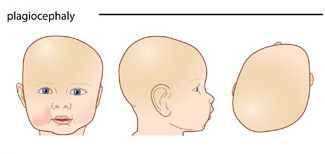
2. Preventing Flat Head Syndrome
A common issue for babies who spend too much time on their backs is the flattening of the head, known as positional plagiocephaly. Research indicates that regular tummy time can reduce the risk of this condition by over 50%, as it encourages diverse head positions throughout the day.
3. Enhancing Sensory Development
During tummy time, babies gain a new perspective on their surroundings. They can touch various textures, explore vibrant sights, and listen to different sounds. This experience is crucial for sensory development and helps in honing their visual tracking and hand-eye coordination skills, laying the groundwork for future motor skills.
4. Encouraging Motor Skills
This practice promotes movement that is vital for developing motor skills. As babies reach, roll, and move during tummy time, they prepare for more complex physical activities and improve their coordination. According to research, infants who engage in tummy time regularly show improved gross motor skills compared to those who do not.
Making Tummy Time Fun
1. Start Slow and Build Up Gradually
If your baby is new to tummy time, begin with short sessions of about 2-3 minutes, two to three times a day. Gradually increase the duration as your baby grows stronger and more comfortable. Aim for 20-30 minutes of tummy time each day by six months.
2. Use Play Mats and Toys
Create a soft, inviting space with a colorful play mat and age-appropriate toys. Placing interesting objects just out of reach encourages your baby to stretch and reach, exercising both their muscles and their minds.
3. Get Down on Their Level
Join your baby on the floor during tummy time for a more interactive experience. Your presence can motivate them to lift their heads more often. Engage with them using your voice or favorite toys to keep their attention focused.
4. Incorporate Different Positions
To keep tummy time enjoyable, experiment with various positions. You can place your baby over a nursing pillow or your lap at a slight incline. This variation can make the experience more appealing and comfortable for them.
5. Turn on the Music
Playing soft music or singing during tummy time can captivate your baby's attention and make the activity more enjoyable. This type of stimulation encourages them to lift their heads and stay engaged.
Safety Tips during Tummy Time
1. Always Supervise
Keep a close watch on your baby during tummy time. Never leave them unattended, as they can quickly roll over or become frustrated.
2. Choose a Safe Surface
Make sure tummy time takes place on a soft surface like a play mat or carpet to create a safe exploration area for your baby.
3. Ensure Comfort
Check that your baby is comfortable and the area is free of hazards. Avoid tummy time immediately after feedings, as babies may be more prone to spit-up during this time.
4. Look for Signs of Discomfort
If your baby consistently cries during tummy time, take breaks and try again later. Be mindful of their needs and gradually build their comfort level.
When to Seek Guidance
If your baby shows significant resistance or struggles to lift their head by two months of age, consider consulting your pediatrician or a pediatric physical therapist. Seeking tailored guidance can ensure your child develops necessary skills and physical abilities.
Final Thoughts
Incorporating tummy time into your infant's routine is a simple yet powerful way to nurture their physical growth. By understanding its significance and following practical tips, you can help your baby become stronger and more capable as they reach important milestones. Remember, the time spent on their tummy is vital for a healthier and more active future.
If you would like a quick guide for tips to remember on your tummy time journey, download my free tummy time guide here!

Comments